
When I’m asked to share at churches or with short-term mission teams, my opening line is usually forcefully telling my audience, “You are all going to die!” I then go on to remind everyone that our time here is limited, don’t waste it. Is it a cheap way of getting an audience’s attention? Absolutely. But the point is still important, we all end up in a box someday. Some of us sooner than others, and we never know when that day will come.

 No one knows what short-term mission will look like over the next six months or six years. Predicting the future is always a perilous task, even more so with the world changing at a faster pace each day. The only thing everyone is sure of is the needs addressed by short-term mission teams are increasing around the world at a startling rate. Poverty, hunger, lack of education, and the need for people to experience the Gospel are growing. When short-term missions do come back in any meaningful way, what might they look like?
 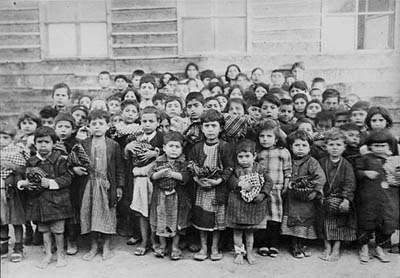 What is the definition of an orphan? I know this sounds pretty straightforward but depending on who you talk to the definition of what an orphan is can vary widely. Most people assume that an orphan is a child that has no parents. But orphan can also define many other situations where the child might have a parent or two; they just aren’t around to care for the child. Both UNICEF and World Vision define an orphan as a child who has lost one or both parents.
  DJ from the orphanage