The Loss of Family in Orphan Care

This is an updated post from about two years ago, new posts should return next Monday.  Blessings

pexels-photo-262075Recently one of the boys we raised, who is now an adult and on his own, stopped by my office and asked if we could talk about a few things. He and his brother were dropped off at our home by their father over 20 years ago. Their father visited once but then disappeared. Sadly this happens way too often.

Frequently, for one reason or another, a child or a group of siblings are brought to an orphanage and the family is never heard from again. Hopefully, whatever orphanage they’re left at has the resources and skills to help move that child from the pain of abandonment through the long journey to healing. Adoption is always a good option. But the reality is that once a child is over the age of about five, they won’t be adopted, especially if they have siblings. The orphanage will become their home; the orphanage staff will become their family.

When a child is dropped off, and they are old enough to know what’s going on, they begin the grieving process just as anyone who has lost a loved one. They have lost their family and life as they knew it. They begin to go through the various stages of mourning: grief: denial, anger, bargaining, depression, and acceptance. These can vary from person to person, but less than you might think. We humans are very predictable creatures.

Whether a child was abandoned or removed due to abuse or neglect, their first reaction is always denial. “No, really, my parents are going to come back for me.” or “My mom is in rehab, this time, I know it’s going to work.” We hope that the child can eventually go back to a healthy family situation, but the painful reality is it’s not the norm. More often than not, if the family cares enough to visit, they sometimes make the situation harder by making false promises, to the child and maybe to themselves. “It will just be a few weeks, I really am coming back for you.” or “Your dad and I are getting back together, then we can take you home.” These types of promises rip the wounds open again leaving the child stuck in the denial stage, living in false hope.

The next stage in the healing process is anger. If a child reaches the point of being pissed off at their parents, we are thrilled, this means they’re moving forward in the process. I remember one 11-year-old boy who had been with us for about three months. He was here with two younger siblings and was starting to settle in. One Sunday, his mother showed up to visit. He was seriously angry; wanting nothing to do with her, he ran to hide behind one of the buildings on our property. I walked back to talk with him, and as I approached, I could see he was so angry he was trembling. I sat down with him and told him he could do whatever he wanted, “If you don’t want to visit your mom, you don’t have to. Go hang out with your friends or spend time in my office; I don’t care.” I just confirmed to him what he already knew about his mom, that she’d done nothing to earn a visit and it was OK to be angry at her. I believe my response did two things. First, it shocked the heck out of him. Second, it showed him he was in a safe place and that we would be here for him. It turned out to be a pivotal day in his healing process.

I could write about the different levels of mourning, but I’m sure you get the idea at this point. The healing process is slow, painful, and depending on the person can take weeks, months, or sadly sometimes years. We hope that every child moves through the process and reaches acceptance as soon as they are able. Until an abandoned child (or anyone who has experienced tremendous loss) can reach that point of acceptance, it is incredibly difficult to begin to rebuild their lives.

Once a child reaches acceptance, they can start over. They can start taking school a little more seriously knowing they’re not ever going back to their old school. They can start making real friends knowing they probably won’t be leaving in a few weeks. Most importantly, if they’ve landed in a healthy orphanage or care situation, they can begin to bond with healthy adults who are committed long-term in the child’s life.

Even if a child reaches acceptance and begins to move on with their lives, it doesn’t mean the pain has gone away; the pain just softens over time. For most children, as they move into adulthood, they reach a point where they will try and find their biological family. If years later, reunions can be arranged, it’s not always the Hallmark moment we envision. Occasionally they can rebuild a relationship with their family, sometimes they’re rejected all over again. People are messy and messed up.

I opened up by sharing about the young man who came into my office. I’m incredibly proud of both him and his brother as they’ve grown into healthy, incredible men of God. The older brother is married with two children and has demonstrated an incredible commitment to his wife and caring for his family. It was the younger brother who came into my office. He wanted to talk over the situation that, after twenty years, he and his brother had recently found family in another state. He had just talked with his “biological” mother. He has no memory of her, but they’re planning on visiting her next summer. The draw to know your biological family is strong and we’re tremendously happy for them both. (I’m tearing up as I write this)

The second thing he wanted to talk with me about was also life-changing. We were planning a get-together with many of the children raised in our home, and he was asking permission to propose to his long-term girlfriend in front of his true family at the party. (She was also raised in our home.) I think he’s reached a good place, a place of wholeness; God has restored this abandoned child.

There is hope for an emotionally wounded child, if they are lead to the master healer, and allowed to grieve in His arms.

Update on the young men in the story: The brothers visited thier mother, it went well but she is still a stranger to them. They are getting to know each other. Since this was first published two years ago, the young man who came to my office is now married and they are expecting thier first child in Dec. My pride of this young man runs deep.

If you liked this, please share with others on Facebook or wherever you hang-out.

We Become Our Parents

fatherhoodWith all the mass shootings lately, people are quick to express opinions on gun control and gun regulations. As horrific as the mass shootings are, they are a symptom of a much larger problem. The mental health of shooters often comes up, in the vast majority of the cases, the shooters have used some type of behavioral medication. The one common thread through almost every shooter’s background is the lack of a strong male figure in their lives. Dad was not there.
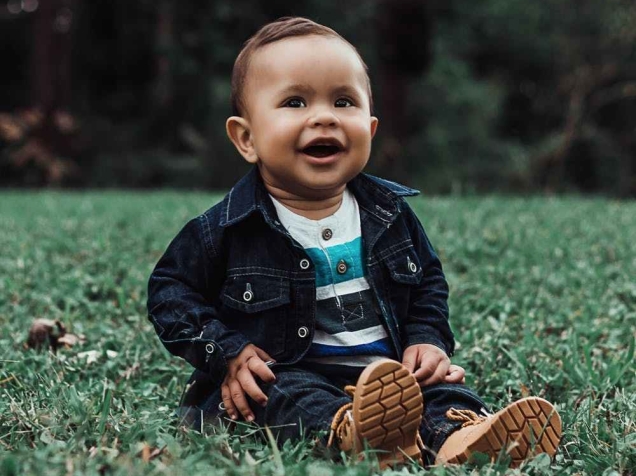
It’s human nature to emulate the people who are closest to us. Whether we want to or not, we take on the attitudes and characteristics of the people with whom we spend the most time. As much as our friends influence us, the people who care for us when we are in our formative years ultimately have the most significant impact on our lives. 

The people parenting us when we are very young are the people who determine who we become. These are the people we want to make proud, and we remember at key moments in our lives. They shape how we approach experiences and relationships. Our parents shape our reactions to the blessings and challenges that we encounter. Although change is always possible, it gets harder to change our basic personality as we get older, the patterns have been set. The early examples in our lives manifest themselves later on, whether we want them to or not.

Train up a child in the way he should go; even when he is old he will not depart from it. 
Proverbs 22:6

Over the last few years, while I wasn’t paying attention, I turned into my dad. While I was growing up, “consistent” is the word that would best describe him. He worked the same job for years, home by 5:10, dinner at 5:15, recliner and evening news at 6:00. We were at church EVERY Sunday at 8 am. As my dad aged and then retired, he started looking after his health more, focused more on gardening, and his woodworking (he was a true artist). My life pretty much mirrors this, although I’m not the level of woodworker he was. I’ve kept the same schedule every day for years. In the last few years, I’ve gotten more into gardening, and I’ve set up a wood-shop. As I was arranging my tools recently, I realized again how much I miss my dad and how much I’ve turned into him. Those generational examples can be broken, but it’s complicated. We generally become the people who raise us. I was blessed with an incredible dad, but what about children without that father figure in their lives?

Running a large orphanage, or even being involved in orphan care, you spend a lot of time thinking about parenthood, and the impact it has on a child. Too often long term childcare situations, whether it be foster care or orphanages, focus on the basics. This is entirely understandable, there is a hierarchy of needs, and we need to have the basics covered. Food, shelter, medical needs, education, etc. are all critical in raising children. These basics will keep a child alive, but do they create emotionally healthy adults? Children will not mature in a healthy way without consistent positive examples that they can learn from, and emulate, as they grow into adulthood.

Many orphanages worldwide operate like most families in that they need to focus on the basics first. Out of necessity, anything beyond the basics of keeping children alive doesn’t happen often. In families, the hope is that by default, one or two reliable parental figures are there to provide an example, a pattern to follow in life. In orphanages and long term care situations, the father figure can be elusive. No child belongs in a system, but there are children in long-term care situations in almost every culture in the world. How do we do better? How do we provide more than the basics to keep them alive?

Although I’m a huge advocate of short-term missions, short-term teams do almost nothing to provide long term examples for the children who need it. What short-term mission teams do offer, is the support the long-term staff and missionaries need to stay the course, to remain in the child’s life for the long-term. Orphanage staff need the support and encouragement of teams and individuals behind them and praying for them.

If you work in orphan care, please know your work matters. I know from experience, there are many days you ask yourself why you’re doing what you do, and if it makes a difference. It does. You won’t reach every child; you won’t always have the opportunity to touch a child’s life long term. But when it works, it can make all the difference in a child’s life. Please keep it up; it’s worth it. You might be the only example a child has to model their life after. Do it well.

You can help me by sharing this on Facebook or wherever you hang-out online.

And don’t forget to order your copy of Reciprocal Missions from Amazon.com.

Where Do Babies Come From?

pexels-photo-2760338Part of the job when running a large orphanage is answering a LOT of questions from people you meet. There is something about orphan care that brings out the curiosity in just about anyone. People hear stories or make assumptions about this type of work all the time. Don’t you get government funding? (No) Do you handle a lot of adoptions? (No) Do you ever get threatened by family members? (No) Can you use my old clothing? (Maybe) The questions seem to come from anyone we meet. We get it; there is something about orphan care that affects people at a different level than your average job. No offense to accountants or plumbers, but these jobs, while needed, don’t inspire deep, life-altering questions too often. 
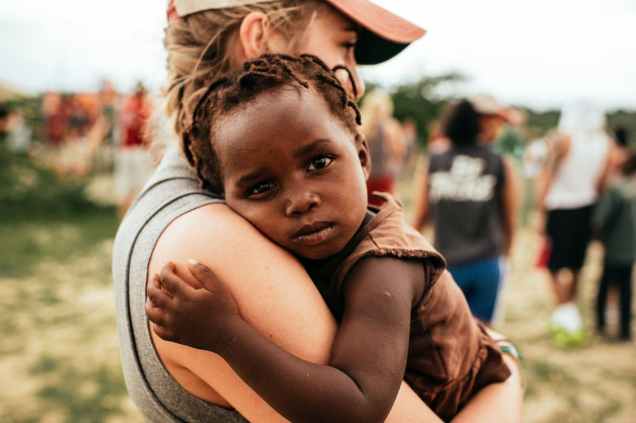
There’s a reason almost every superhero is an orphan: Batman, Superman, Spiderman, etc. There is just something about the story of a child alone in the world that brings up emotions and reactions in anyone. It’s part of our collective human experience to be drawn to the orphan story.

One of the top five questions we get is, “Where do the children come from?” I sometimes respond with, “Soooo, you’re asking me where babies come from?” This usually gets an awkward laugh. I find a little humor helps to soften the harsh realities of what we do. The question of why children wind up in orphanages is never pleasant. This is complicated work. When you’re dealing with young children, often coming from traumatic circumstances, the realities are not what most people want to think about.

The question of why children come to an orphanage is, like any social work, profoundly complicated. Every case is different and tragic. The family unit is the ideal and ordained place for a child to be. No child belongs in a system. Unfortunately, we live in a deeply broken world made up of people who are frequently struggling with complicated and deep issues. Some people, unfortunately, should never have children or should never be let near children. With our home, most of our children are referred to us by Mexico’s version of Child Protective Service (DIF). Why they are brought to our home varies wildly.

The first assumption from people is that the many children in our home are orphans. The truth is, actual orphans, where both parents have died and there is no extended family to step in, are pretty rare. Unless you’re dealing with AIDS, war, or some catastrophic natural event, the odds of both parents of a young child dying are pretty slim. Children wind up in orphanages for much darker and varied reasons. I know that sounds odd: darker than dead parents? The truth is, this is a dark and sad world in which we live. The short answer to why children are in orphanages is: sin.

Parents unavailable to care for a child is one reason children are placed in orphanages or foster care. They might care about their child but are dealing with their own issues: prison, re-hab, etc. Often they can barely care for themselves, much less small children who need loving attention. They might be released from prison or overcome their addictions, but it takes time if it happens at all. These children need a safe place to wait and see if their parents ever recover.

Some children wind up in orphanages due to severe neglect or abuse. After twenty-five years in this line of work, you can imagine the nightmarish stories we’ve seen. Acts of neglect and abuse cut across all social and economic situations. There are just a lot of profoundly messed up people in this world. Unfortunately, broken people frequently take out their issue on the most vulnerable members of society, children. Many children wind up in orphanages coming directly from some horrific situations.

Oddly, the parents of children in our home I appreciate most are the ones who abandon their children. Dropping off infants in hospitals or other areas, or bringing older children directly to organizations like ours, people sometimes just leave their children. At least in the majority of cases, these people are self-aware enough to know that they would make horrible parents or can not give their child what they need. In most cases, they want what is best for their child, and they know they cannot provide that.

Some people assume that children wind up in orphanages due to financial hardship. In our experience, this is actually pretty rare. If we do believe it’s a straight economic issue, we will do everything in our power to keep those families together.

As you can see, why children come to an orphanage is a complicated question. The only constant is that it should never happen. No child belongs in a system or institution. Unfortunately, in every country in the world, children are born into circumstances that require long-term care where a family is not in the picture. Orphans are near to the heart of God, and we as a church and a society need to do better when it comes to orphan care.

Everyone knows where babies come from. The complicated question is, what do you do with them once they arrive?

You can help me by sharing this on Facebook or wherever you hang-out online.

If you would like to receive this blog in your e-mail each Monday, please click “follow” above.

Random Affection in Orphanages

orphanchild

One of the realities of orphan care is that everybody considers themselves an authority. Just like parenting styles in a traditional family, opinions on orphanage styles tend to shift frequently on how to “do it better.” These opinions change depending on what’s trending in any given year. In the last few years, there’s been a lot written on the potentially harmful effects of too many visitors on the children in an orphanage. After working full-time in orphan care for over 25 years, I could not disagree more.

The current theory states that having visitors in orphanages on a regular basis leads to attachment disorder problems later in life because the children are bonding with random, different strangers every week. In my experience, children raised in dysfunctional orphanages will have a wide range of emotional problems later in life, just as anyone raised in a dysfunctional family. If the children are bonding with random strangers every week, this means there are many underlying problems in the orphanage already. The bonding issue is just a symptom.

Let’s look at two scenarios:

Scenario 1) In our orphanage, we have more visitors than almost any orphanage in the world. In a typical year, we host around 280 groups and have other “drop by” visitors on a regular basis. We enjoy hosting the groups, we enjoy leading them into service and short-term missions, and we believe when well-managed, these visits are healthy for everyone. So how do we avoid the random attachment? First, we have reliable, consistent staff and plenty of them. Our children do bond with adults, but it’s with consistent adults in their lives. We have an excellent child to staff ratios (about 4 to 1) and minimal staff turnover. Second, although we have a tremendous amount of visitors we intentionally limit the time they have with our children. We limit the visiting hours with our infants and toddlers, but more importantly, we encourage all of our groups to stay with us but travel out daily to serve in the community or with other ministries in the area. Our children see the “visitors” as just that, visitors dropping by to see our family. The majority of children who grow up in our home go on to have healthy marriages and families. In spite of all the visitors, most of our children turn out okay.

Scenario 2) In an orphanage that is understaffed and overcrowded, the children will seek random affection from any visitor that comes through. You can see this when you first arrive in a home. If children above the age of five are running over to hang on you and ask to be held, they’re starved for affection. A normal, well-adjusted 10-year-old doesn’t just walk up to a random stranger seeking physical contact; this is a symptom of much deeper issues in an orphanage. The children are not bonding with the staff and are severely lacking affection. They WILL have problems bonding later in life without a tremendous amount of healing. Most children raised in poorly run orphanages eventually produce children that wind up back in the system and have a tough time with healthy relationships. (Just like too many children from foster care.)

So how does someone, or a mission team, respond to these two examples? If you’re dealing with a healthy orphanage, one that has well-adjusted kids and is well run, continue to back their work. Find out what their needs are and keep supporting a healthy situation. Help them to continue to provide what their children need.

If you’re working with a home that’s not so great, it gets complicated quickly. A few years ago, we were helping an orphanage near us that was a pit. The orphanage was overcrowded, filthy, and the children were deeply starved for affection. We were praying for a change in that home but did not have a lot of hope with the current management. With eyes wide open to the situation, we continued to send teams to that orphanage on day trips. The teams would clean, prepare meals, and spend time with the children in need of attention. I would encourage the teams by telling them, “This home will probably never change, but for one memorable day, those children can know someone cares about them.” With these “hit and run” trips, it was far from perfect, but it was giving these children something.

Everyone knows that eating junk food all the time makes for a lousy diet. In a perfect world, we would all have access to regular, healthy, balanced meals. If someone is starving, the standards drop, and junk food is better than no food. If a child was starving, and all we had to give them was a candy bar, that candy bar would mean the world to them. Long term, you would hope that the situation would change, but I don’t think anyone would withhold the candy bar because it’s not the ideal, healthy option. “Junk food” affection, when it’s the only real option, is better than no affection at all. People not visiting an orphanage to avoid this attachment and bonding problem does not suddenly make healthy bonding occur if the orphanage is understaffed and poorly run.

Caring for orphaned and abandoned children is obviously a complicated issue. It’s an issue that has been around for thousands of years and will not be going away soon. To believe that not visiting orphanages will help the situation is like saying not providing services and meals to homeless will end the homeless situation across America. I wish orphanages didn’t exist, but if they have to exist, they should be great, and they need our help.

Please, continue to follow the fundamental teaching of our Christian faith in regards to orphan care:

Religion that God our Father accepts as pure and faultless is this: to look after orphans and widows in their distress and to keep oneself from being polluted by the world. James 1:27

You can help me by sharing this on Facebook or wherever you hang-out online.

If you would like to receive this blog in your e-mail each Monday, please click “follow” above.