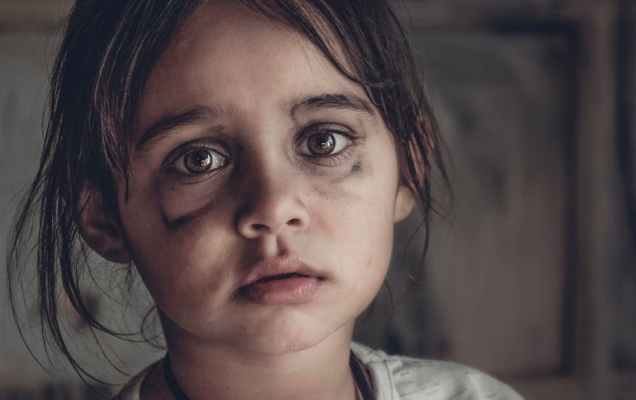
 Recently the United Nations General Assembly passed a resolution to encourage the closing of orphanages around the world. They didn’t say what would happen to the eight million abandoned or orphaned children currently in care facilities somewhere. Closing orphanages is a reasonable goal only if there are good alternatives. So far, very few viable options have been forthcoming, I doubt there will be. The UN is the same organization that has shut down international adoptions. It seems they are slowly taking away options from the ones who need options the most. Continue reading
orphanage
So You Want to Open an Orphanage…
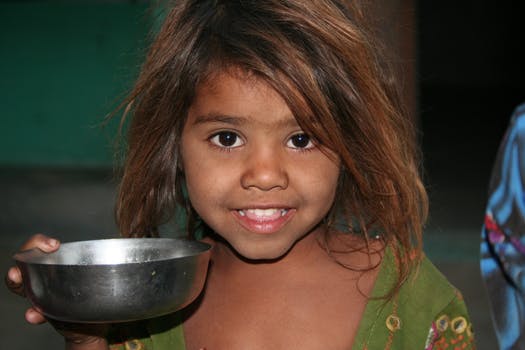
Do you feel called to open an orphanage? Trust me on this, lay down until the feeling goes away. If you still want to open an orphanage, continue reading.
I wish orphanages didn’t exist. The first choice for caring for abandoned children should be extended family. If the extended family is not an option, then children at risk should be placed with healthy families. Unfortunately, placement with a family is just not an option for many children. Most orphanages are filled with children who, for one reason or another, are not adoptable or are very difficult to place. Orphanages care for children with multiple siblings, children with physical or mental challenges, children with an extended family that cannot care for them but still hold parental rights, etc. So if orphanages have to exist (and they do), they should be great, and run by people with vision and the skill sets to make them a fantastic place for children to heal and grow into healthy adults.
Regularly, people contact me who feel lead to open orphanages. My first question is always: “Who is going to run it?” Putting up buildings is easy(ish), on-going funding is harder, but living at, and running an orphanage can be hugely challenging and is not for the faint of heart. Continue reading
Changing the Memories
 We all have childhood memories that stand out. It might be a specific Christmas, a family vacation, maybe it’s just a moment from your childhood where the smells, sights, and emotions are still vivid in your mind. That time you sang karaoke with your dad, or when you made cookies with your mom. I hope these memories bring joy when they appear at those random moments. For children in orphanages or foster care, many of the memories they carry do not bring joy. It is our responsibility to tip the balance of good to bad memories in the right direction.
For most people caring for children at risk, the focus is on the basics. They might not have the know-how or resources to work on anything past keeping the children alive. In many areas of the world, orphanages struggle to stay open. It’s a day-to-day challenge to keep food on the table and the lights on. If the absolute basics are covered, you can start the next level of healing and restoration. As with anyone, the hierarchy of needs kicks in. The basics first, then the extras.
When a child first comes into a home, even if it is a stable, well-run home, the fear of uncertainty can take a long time to overcome. Food hoarding is very common with new children; they aren’t sure when they will be fed again because they weren’t fed where they were before. It takes time and consistency to bring a child to the point of moving forward. They also have a hierarchy of needs. If they don’t feel secure in the basics, they can not begin the healing process.
Once you’ve reached the level of providing the foundational needs, and a child knows at a profound level that they are in a safe place, the long process of healing can commence. A new chapter in their story can be written.
Joyful childhood memories are not created in a moment or an event; they are built over time. Childhood memories are a rich tapestry of intertwining threads brought together to create an overall image. It should be an image of joy, security, a connectedness that we all need. Only by consistently blending in the bright colors can you begin to soften the dark tapestry that has been the assembled experiences of a wounded child. You can never fully cover the darkness that exists, but you can brighten the edges, you can lighten the right areas. The darkness of the past, when handled correctly, can ultimately bring a greater depth to the child’s image of life. With God’s healing touch, those dark areas can be richly used down the road. God can use the dark experiences to bring empathy and understanding. But this healing doesn’t happen easily, or quickly, it takes years of security to bring perspective as a child matures.
It’s the collective details that matter. Not that we have all of the answers, but in our home, we have found that consistency and traditions go a long way to bring a sense of security into a child’s life.
One of the first things the other children tell a new child in our home is how OUR tooth fair works. I have a large ceramic jar on my desk, when a child loses a tooth, they know to bring it to my office, drop the tooth in the jar, and get the cash. (Yes, I know it’s disgusting, but I have decades of teeth in that jar.) Occasionally a child will come over with a convincing tooth-like rock to trick me; I’ve learned to ask to see the hole where the tooth came out. While writing this, two different children came over to show me their loose teeth, so I know to be prepared. We’ve had adults, raised in our home, come back years later and casually reach over to shake the jar to see how full it is. It’s a memory they’ve carried forward and blended into their tapestry.
My wife hates the backend of what we do, the fundraising, the paperwork. The public side of our work makes her crazy. She wants to be mom; she wants to create those memories. She gives every single hair cut; it’s an automatic one-on-one time with every child. They can talk, spend time together, and experience the moment. My wife also makes the birthday cakes, in a BIG way. Every child gets an elaborate custom cake on their birthday. Some of the older kids have started to help, learning baking and cake decorating, frequently decorating cakes for their own siblings. To most kids in ordinary families, a birthday cake is expected, usually picked up from Costco or the grocery store. For a child in a care situation, a cake means the world. It’s not uncommon for their first cake here to be the first cake of their lives. Also, to have that level of attention in a crowd of children in a home shows them that they are unique and deserving of honor. A cake to an orphan is not just eggs, flour, and sugar; it’s healing.
If you work in foster care or with orphans, thank you. Working with children as risk is hard work and not for the faint of heart. I hope that you’ve moved past the basics and are working to create new, better, richer memories for the children in your care. Whether it’s the tooth fairy, a birthday cake, or any other detail that creates special memories, always remember how important it is. It might not seem like it at the time, but you are working to create a new tapestry for a child, you are tipping the balance of memories in the right direction. The details you create bring healing to a child.
You can help me by sharing this on Facebook or wherever you hang-out online.
Where Do Babies Come From?
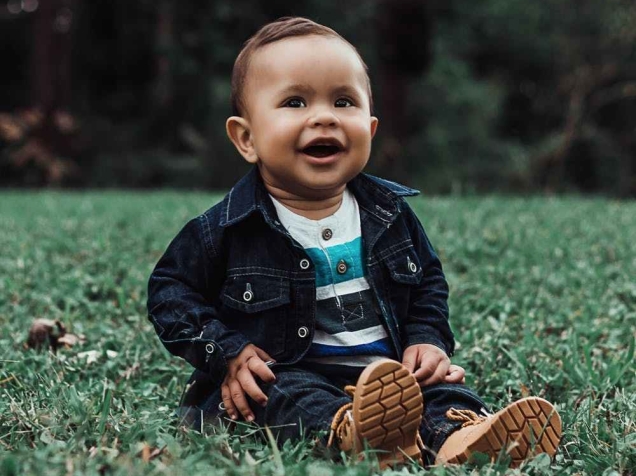 Part of the job when running a large orphanage is answering a LOT of questions from people you meet. There is something about orphan care that brings out the curiosity in just about anyone. People hear stories or make assumptions about this type of work all the time. Don’t you get government funding? (No) Do you handle a lot of adoptions? (No) Do you ever get threatened by family members? (No) Can you use my old clothing? (Maybe) The questions seem to come from anyone we meet. We get it; there is something about orphan care that affects people at a different level than your average job. No offense to accountants or plumbers, but these jobs, while needed, don’t inspire deep, life-altering questions too often.
There’s a reason almost every superhero is an orphan: Batman, Superman, Spiderman, etc. There is just something about the story of a child alone in the world that brings up emotions and reactions in anyone. It’s part of our collective human experience to be drawn to the orphan story.
One of the top five questions we get is, “Where do the children come from?” I sometimes respond with, “Soooo, you’re asking me where babies come from?” This usually gets an awkward laugh. I find a little humor helps to soften the harsh realities of what we do. The question of why children wind up in orphanages is never pleasant. This is complicated work. When you’re dealing with young children, often coming from traumatic circumstances, the realities are not what most people want to think about.
The question of why children come to an orphanage is, like any social work, profoundly complicated. Every case is different and tragic. The family unit is the ideal and ordained place for a child to be. No child belongs in a system. Unfortunately, we live in a deeply broken world made up of people who are frequently struggling with complicated and deep issues. Some people, unfortunately, should never have children or should never be let near children. With our home, most of our children are referred to us by Mexico’s version of Child Protective Service (DIF). Why they are brought to our home varies wildly.
The first assumption from people is that the many children in our home are orphans. The truth is, actual orphans, where both parents have died and there is no extended family to step in, are pretty rare. Unless you’re dealing with AIDS, war, or some catastrophic natural event, the odds of both parents of a young child dying are pretty slim. Children wind up in orphanages for much darker and varied reasons. I know that sounds odd: darker than dead parents? The truth is, this is a dark and sad world in which we live. The short answer to why children are in orphanages is: sin.
Parents unavailable to care for a child is one reason children are placed in orphanages or foster care. They might care about their child but are dealing with their own issues: prison, re-hab, etc. Often they can barely care for themselves, much less small children who need loving attention. They might be released from prison or overcome their addictions, but it takes time if it happens at all. These children need a safe place to wait and see if their parents ever recover.
Some children wind up in orphanages due to severe neglect or abuse. After twenty-five years in this line of work, you can imagine the nightmarish stories we’ve seen. Acts of neglect and abuse cut across all social and economic situations. There are just a lot of profoundly messed up people in this world. Unfortunately, broken people frequently take out their issue on the most vulnerable members of society, children. Many children wind up in orphanages coming directly from some horrific situations.
Oddly, the parents of children in our home I appreciate most are the ones who abandon their children. Dropping off infants in hospitals or other areas, or bringing older children directly to organizations like ours, people sometimes just leave their children. At least in the majority of cases, these people are self-aware enough to know that they would make horrible parents or can not give their child what they need. In most cases, they want what is best for their child, and they know they cannot provide that.
Some people assume that children wind up in orphanages due to financial hardship. In our experience, this is actually pretty rare. If we do believe it’s a straight economic issue, we will do everything in our power to keep those families together.
As you can see, why children come to an orphanage is a complicated question. The only constant is that it should never happen. No child belongs in a system or institution. Unfortunately, in every country in the world, children are born into circumstances that require long-term care where a family is not in the picture. Orphans are near to the heart of God, and we as a church and a society need to do better when it comes to orphan care.
Everyone knows where babies come from. The complicated question is, what do you do with them once they arrive?
You can help me by sharing this on Facebook or wherever you hang-out online.
If you would like to receive this blog in your e-mail each Monday, please click “follow” above.
 DJ from the orphanage