 We all have an identity. We are more than just going through life; we are someone. It’s part of our human experience that we identify as more than just a person; we label ourselves as a way of distinguishing ourselves from the many people around us. We might be an athlete, a vegan, or a foodie. We might be a cancer survivor or recovering alcoholic. We’re German American, ginger, or a Buckeyes fan. Even within our faith, we define ourselves: Southern Baptist, Catholic, Methodist, etc. Sometimes we’re born into an identity, sometimes we choose the identity, sometimes society lays an identity on us, but it’s part of who we are. It helps define us. There is a reason the many DNA testing businesses out there are doing so well, people want to know their history, they want to define who they are in some way. “I’m 59% German, 33% Irish, but I have 8% Indian in me.”
For an orphan, identity can be complicated. By definition, a child in an orphanage usually has no history. They frequently don’t know where they came from; they are often brought in with no birthday, no birth certificate, nothing to mark their existence other than they’re alive and breathing. Starting from zero is hard.
A big part of orphan care is helping children shape their identity from scratch. Caregivers tend to focus on the basics: food, shelter, medical care, maybe education. The basics are essential (that’s why they’re called the basics) but there is a deeper level that needs to be addressed once the basics are met. We need to build, or in some cases re-build a child’s identity. To help them see themselves, and identify as, someone of value.
The very word “orphan” brings up all kinds of reactions from people, usually not good. Pity is usually the first reaction, in some cultures contempt: “no one wanted you.” The reaction to being labeled orphan is almost never a positive force. It’s our job to change that.
In many orphan or foster care situations the child embraces the pity reaction, and their identity becomes “victim.” They define themselves by what’s been done to them by their families, and by society. Living in victimhood is a tough road, it means you’re always a little less than others, and it also means you feel entitled to the pity that comes your way. Less is expected of you. When less is expected, that usually results in, something less. If great things are expected, great things can happen.
In some ways, we’re all orphans. We’ve all been hurt, we’ve all been abandoned, and we’ve all been victims of the world. How do we redefine ourselves and build a healthy identity that was intended for us? The first step is to realize we are not orphans, our Heavenly Father has adopted us into the greatest family of all. This is no small thing; it marks us, it sets us apart, it gives us an inheritance beyond words or understanding.
John 14: 18-20 “I will not leave you as orphans; I will come to you. Before long, the world will not see me anymore, but you will see me. Because I live, you also will live. On that day you will realize that I am in my Father, and you are in me, and I am in you.”
To get this across to a young child is a challenge, but if we treat them as the royal children they are, and not as victims, they will begin to see themselves as worthy of love, worthy of belonging. They will take on the identity we place on them, they will see themselves as we see them: as special, precious children in God’s sight and ours.
Shifting identity starts with small details: attentively listening to a child, giving them the attention they desire, having a special cake on their birthday (even if it’s a made-up date). Letting them know they are special goes a long way in moving them from victim to victor.
Another profoundly powerful way to move someone from victimhood is to show them the joy of serving others. Along with the obvious blessing of being part of a family, comes the responsibilities of being part of a family. Jesus came to serve others, and we are asked to do the same. As a child might “help” their parent to fix the car or prepare dinner, being allowed to help in our own feeble way builds a healthy pride, pride of being part of the family, part of something bigger than us. There is something profoundly healing for us as we reach out to help others. By showing someone, even a young child, that they have the power to influence positive change in someone else’s life is profound. It gives them power, and it brings joy, it’s deeply healing. Service moves people from someone to be pitied, to someone representing God. This is a big deal. This creates an identity that is larger than anything the world might place on us.
Our identity defines us. Who are you? And who do you encourage those around you to be? Expect and encourage people to live in the identity of our Heavenly Father. There is no greater label, identity, or way of looking at life.
 You might have hours left. You might be around for several more decades. But you will die. You will kick the bucket, go toes up, become worm food, start pushing up daisies. You will reach room temperature, give up the ghost, etc.. There are lots of ways to say it, but one way or another we all give up the fight, our heart will cease to beat, and our life on this world will end. When that happens (and you live in the US) the people in your life will arrange to have you put in a box, a week or so later people will put on dark clothes (weird) and will gather. Someone will say a few words by your grave, and people you’ve never met will stick you in the ground. Following this little ritual, people will get together somewhere, eat potato salad, and talk about you. Our life comes down to a plastic bucket of potato salad from Costco. (and maybe a nice sandwich platter.)
 I know an older person (not really old) who lives on their own in Southern California. For many reasons, mainly their own decisions, they’re not as active as they once were. Their only real excursions out of their home are for church, weekly grocery shopping, and an occasional doctor appointment. They’re not a big reader, and they don’t watch the news, they just kind of exist. Their world, over time, has become small. There is one aspect of the way they live their lives that’s interesting: anything that goes on in their world is HUGE. If the mailman is 20 minutes late, it throws off their whole day. If the cat sleeps in a different spot they don’t know what to do. Their world has become so small, the weight of any detail can bring it crashing down. We need to keep our world big.
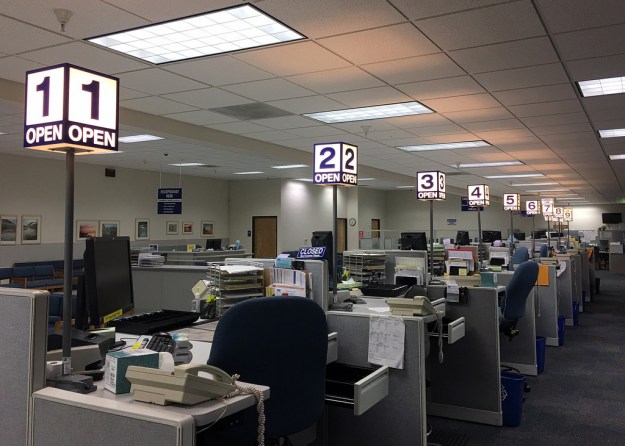 If your child needed to be cared for long-term by someone other than yourself, who would you feel good about? The DMV? The post office? How about the local school board? This is what society, and the church in America, has decided is best for children in need of a home, turn it over to a government agency. It has now become the government’s responsibility to care for widows and orphans.*
 DJ from the orphanage