In an Orphanage, Leadership is Everything

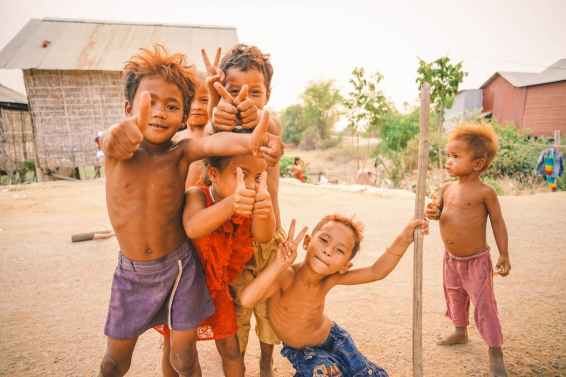
pexels-photo-678637Why is it that when people cross the US border and go into the missions field, they think the common sense principles that work in the US suddenly don’t apply? If you have weak leadership in an organization, it won’t go well. The best of intentions, or spending more money, won’t help. Throwing money at a dysfunctional ministry in the US won’t make it better, so why do we think it will work in other countries? An organization needs good leadership to be healthy and effective in what they do.

Every week, some person or group comes to me and asks what it takes to open an orphanage. The first thing I do is try to talk them out of it; it’s harder and more complicated than they think. If they STILL want to open an orphanage I start to explain the three things it takes, in ascending order of difficulty:

1) It takes a safe, clean, functioning location. This is relatively easy; EVERYONE wants to put up a building. It’s easy, it’s long lasting, and you can see the project when completed. Once a project starts, it’s amazing how many people want to help.
2) It takes on-going funding. This is harder than number 1. It takes a lot more money to run an orphanage than most people think. Food, staff, medical, education, transportation, etc. add up quickly. Depending on where you are in the world, figure about $300 per child. If that sounds like a lot, you try to raise ten children on $3,000 a month for everything and see how hard it is.
3) The MOST important thing in running an orphanage is: Who is going to be the on-site director or leader. This is critical, and not everyone has the gifting or skill set to do this. Loving children is not enough.

Frequently, organizations who want to open a home tell me they have the first two items covered (location and funding). When I ask who will run it they respond with either “Oh, we’ll just hire someone”, or “We believe the right person will show up.”  If you were opening a church and needed a pastor would you “Just hire someone?” No, you would spend extensive time interviewing, meeting with, and praying over anyone interested. You would want the BEST person possible because the leader sets the tone and quality of everything that goes on. What type and quality of person would you want to raise your own children if something happened to you?

Organizations spend years and tremendous amounts of money finding and keeping the right CEO or president because they know the leader makes all the difference. Whether it’s a neighborhood diner or a huge corporation, the right leader will determine whether the organization thrives or dies off.

A few years ago I was asked to consult with an orphanage in Africa; it mainly involved visiting the home and helping to train their long-term American staff. After spending one day with the on-site leadership, I had a meeting with the people who brought me. I kind of offended them when I said: “No one I met today would make it through the first interview with an organization in the US, why are they running a home? They should not be here”. They were good people, but the completely wrong people to be running an orphanage. God can use anyone, just not in every position. Desire is not enough if the skill sets and the willingness to learn are not there.

If you run or are thinking of running an orphanage, please pray long and hard. Seek honest counsel from people who really know you. If you still want to move forward, please study all you can and spend time working with orphanages that do a great job. Learn all you can.

If you are looking for an orphanage to support or partner with, the most important thing you can ask yourself is: What is the quality of the leadership? Are they doing it for the right reasons? Do they show a high level of integrity? Do they have the skill sets needed to do a great job? If the orphanage leadership is weak, no amount of funding or short-term visits are going to help. An orphanage can not be run by a committee in another country any more than a church could be pastored by someone living in another state. Who is living with and raising the kids is everything.

If I come across as blunt or unforgiving, it’s only because orphan care needs to be great, and I’ve seen way too many homes that are not. This work matters greatly and should be done professionally and in the best way possible. The children who wind up in orphanages have already been dealt a lousy hand; we have a responsibility to help them heal in a safe, loving home. A home where they are lovingly guided through healing and into a healthy place. This can only be done in a home lead by people who are called to this work and have the skill sets to do it well.

Please share on Facebook or with the orphan care ministry at your church.

Dealing with Family in Orphan-Care

pexels-photo-262075Recently one of the boys we raised, who is now an adult and on his own, stopped by my office and asked if we could talk about a few things. He and his brother were dropped off at our home by their father over 20 years ago. Thier father visited once but then disappeared. Sadly this happens way too often.

Frequently, for one reason or another, a child or a group of siblings are brought to an orphanage and the family is never heard from again. Hopefully, whatever orphanage they’re left at has the resources and skills to help move that child from the pain of abandonment through the long journey to healing. An adoption is always a good option. But the reality is that once a child is over the age of about five, they won’t be adopted, especially if they have siblings. The orphanage will become their home; the orphanage staff will become their family.

When a child is dropped off, and they are old enough to know what’s going on, they begin the grieving process just as anyone who has lost a loved one. They have lost their family and life as they knew it. They begin to go through the various stages of mourning: grief: denial, anger, bargaining, depression, and acceptance. These can vary from person to person, but less than you might think. We humans are very predictable creatures.

Whether a child was abandoned or removed due to abuse or neglect, their first reaction is always denial. “No, really, my parents are going to come back for me.” or “My mom is in rehab, this time I know it’s going to work.” Our hope is that the child can eventually go back to a healthy family situation, but the painful reality is it’s not the norm. More often than not, if the family cares enough to visit, they sometimes make the situation harder by making false promises, to the child and maybe to themselves. “It will just be a few weeks, I really am coming back for you.” or “Your dad and I are getting back together, then we can take you home.” These types of promises rip the wounds open again leaving the child stuck in the denial stage, living in false hope.

The next stage in the healing process is anger. If a child reaches the point of being very pissed off at their parents, we are thrilled, this means they’re moving forward in the process. I remember one 11-year-old boy who had been with us about three months. He was here with two younger siblings and was starting to settle in. One Sunday, his mother showed up to visit. He was seriously angry; wanting nothing to do with her, he ran to hide behind one of the buildings on our property. I walked back to talk with him, and as I approached, I could see he was so angry he was trembling. I sat down with him and told him he could do whatever he wanted, “If you don’t want to visit your mom you don’t have to. Go hang out with your friends or spend time in my office; I don’t care.” I just confirmed to him what he already knew about his mom, that she’d done nothing to earn a visit and it was OK to be angry at her. I believe my response did two things. First, it shocked the heck out of him. Second, it showed him he was in a safe place and that we would be here for him. It turned out to be a pivotal day in his healing process.

I could write about the different levels of mourning, but I’m sure you get the idea at this point. The healing process is slow, painful, and depending on the person can take weeks, months, or sadly sometimes years. Our hope is that every child moves through the process and reaches acceptance as soon as they are able. Until an abandoned child (or anyone who has experienced tremendous loss) can reach that point of acceptance, it is incredibly difficult to begin to rebuild their lives.

Once a child reaches acceptance, they can start over. They can start taking school a little more seriously knowing they’re not ever going back to their old school. They can start making real friends knowing they probably won’t be leaving in a few weeks. Most importantly, if they’ve landed in a healthy orphanage or care situation, they can begin to bond with healthy adults who are committed long-term in the child’s life.

Even if a child reaches acceptance and begins to move on with their lives it doesn’t mean the pain has gone away; the pain just softens over time. For most children, as they move into adulthood, they reach a point where they will try and find their biological family. If, years later, reunions can be arranged, it’s not always the Hallmark moment we envision. Occasionally they can rebuild a relationship with their family, sometimes they’re rejected all over again. People are messy and messed up.

I opened up by sharing about the young man who came into my office. I’m incredibly proud of both him and his brother as they’ve grown into healthy, productive, men of God. The older brother is married with two children and has demonstrated an incredible commitment to his wife and caring for his family. It was the younger brother who came into my office. He wanted to talk over the situation that after twenty years he and his brother had recently found family in another state. He had just talked with his “biological” mother. He has no memory of her, but they’re planning on visiting her next summer. The draw to know your biological family is strong and we’re tremendously happy for them both. (I’m tearing up as I write this)

The second thing he wanted to talk with me about was also life-changing. We were planning a get-together with many of the children raised in our home, and he was asking permission to propose to his long-term girlfriend in front of his true family at the party. (She was raised in our home also.) I think he’s reached a good place, a place of wholeness; God has restored this abandoned child.

There is hope for an emotionally wounded child, if they are lead to the master healer, and allowed to grieve in His arms.

If you liked this, please share with others on Facebook or wherever you hang-out.

We All Need A Nest, Orphans Even More

pexels-photo-581087Human beings are pretty basic. Although we’re all individuals with different quirks and preferences, there are some basic needs that we all want to have met. Basic physical needs are obvious: food, water, shelter, etc. We all understand these needs, but then it gets a little more complicated. Especially for a child who has been orphaned or abandoned.

We all want our “nest,” our own stuff, our space. You’ve probably experienced this while traveling. You might be just a little nervous until you see your bag slide onto the luggage carousel at the airport. You feel a little better when you’ve dropped your stuff into your hotel room. Even if you’re camping or at a retreat center, you want to find and set up “your” bunk, then you can relax. When everything else is stripped away, a homeless person will defend their shopping cart or personal belongings. It’s a basic human need to have some sense of our own “stuff” to mark our space and existence.

When a child has been abandoned or removed from their home situation for some reason, in their mind their life is over. In a way it is. The life they’ve known is gone forever. Odds are they will never see their friends again, they will never be back in their old school, and will probably never see their old home again. This obviously doesn’t cover family that they might not ever see again. Even if they were removed from a horrible situation, it was their family; it was what they knew. How would you react if tomorrow EVERYTHING was removed from your life and you had to start over with just what you had on your back? Then try to do that when decisions are being made for and about you with no input from you. All control is gone.

Orphanage staff and foster parents usher children through the terror of that “first day” often. A while back we had a police cruiser pull up to our home, two officers and a child got out. The terrified ten-year-old boy was holding a small, kind of squished, plastic basket of strawberries. The short fat cop turned to me, kind of shrugged and said: “We didn’t know what to do. We got him a snack.” At least they tried.

We do a few things to make the first day a little better than it could be. We have systems in place where a child of the same age becomes a “mentor,” the new child’s first friend in our home who can show the new child around. This new friend explains how things work and what goes on. All this new information is received much better coming from another child, and not a scary adult.

One of the things we do that helps a child settle in is get them their “stuff.” They get their belongings to set up near their bed; they get to set up their nest. One of our staff goes to our stash and sets the child up with a few changes of nice clothes, some of their own toys, items to help them establish their space. We know full well we’ll need to speak into deeper areas of their lives over the following weeks, months, and years, but those first few hours are critical to the child settling in and realizing they’ve landed in a safe place.

It might seem odd that we focus on “stuff” so much, but it matters tremendously to a child (or anyone) in crisis. There are volumes written about caring for children in these situations. Every step of the journey to healing is important; the first day is just a small step in a very long path. The reason we focus so much on the clothing and toys is that it lets the child begin to create his or her own space again, it allows them to establish their identity.

The quality of clothing and belongings given to a child on their “first day” makes a statement. Too often, out of necessity or lack of thought, orphanages give the new child whatever used items that have been donated. We understand this, but it makes a strong statement: “You are not worth new stuff so you get what other people have gotten rid of.” Too often, a child who has been thrown away, a child who has been demonstrated to be trash, is given things that no one wants. What is that telling them? What kind of value does that place on their lives? Very often, the toys our children are given on the first day are the first new toys they’ve ever had. The items they are given will not restore them, will not heal them and will not bring their old homes back, but it helps give them a new sense of identity. It can show them that they are worthy. I’m not saying the child you’re helping needs high-end name brands, but whatever it is, it can show them that they are worth more than they realize.

While reading this, I’m sure some people are thinking “But stuff is just stuff, it’s not what’s most important!” I agree, it’s not what’s most important, but it’s a start. Anyone who says stuff doesn’t matter has never lost everything.

If you’re in orphan care, do what you can to bring a child’s first day from terrifying to passable. If you’re supporting an orphanage or people who do, please remember that the quality of items given matters more than you might think. Please show the children what they’re worth.

I’m currently setting up my 2018 speaking schedule, if you’re interested in having me share with your church or organization please let me know.  Click here for details.

Find Your Defining Moment

pexels-photo

Many people have a defining moment in their life. Whether positive or negative, it is a moment that is branded into their memory and will be with them until they die. Frequently that moment changes the direction of their life. Maybe it was being present as a loved one died, or the first time they stood up on a surfboard, maybe it was the first time performing in public and receiving applause. What might seem trivial to one person, might have life-altering implications and impact for someone else. What is your defining moment?

One of the handful of questions I get asked by everyone is: “How were you first called into orphan care.” I can still remember the sites, smells, and emotions during that day that changed my life twenty-five years ago. My defining moment that would radically shift the direction of my life happened to be shared with someone who I had never met before, during their defining moment. Each of our lives would be forever changed in a few hours together.

I was comfortable in my life as a semi-successful Christian businessman and helping with the high school group at my church in my spare time. I assumed that would be the direction of my life and had no problem with that. I was comfortable; I wasn’t even considering that God might have something else in mind. I was helping to lead our church’s high school group on short-term missions trips to serve a very small, very depressing orphanage in northern Baja. I enjoyed serving the kids in the orphanage, but I also enjoyed the change I was seeing in my high school students as they learned to serve others. Unbeknownst to me, God was making those same changes in my heart.

One day I got a call from the orphanage. They needed something brought down from the US and asked if I could help. I had a Saturday to kill and agreed to drive down. While I was there, a ten-year-old boy was being dropped off. Most people don’t think about it, but every child in an orphanage has a “first day.” Almost always it is a terrifying, branding, horrible experience they will remember for the rest of their lives. They have either been abandoned by their family or removed due to abuse or neglect. To them the reasons are irrelevant, everything they’ve ever known is gone, and they’ve landed in a scary building, crowded with strangers. It is a defining moment they will remember the rest of their lives.

As I watched this boy being dropped off, I could see how terrified he was. I didn’t speak the language at the time but even if I did, what do you say to that? What did I have to offer that child when he was at his most fragile point? I couldn’t tell him it was going to be okay. I couldn’t tell him he landed in a good orphanage (he didn’t), everything I had in my youth ministry bag of tricks was useless. So I sat with him. We split a Coke. He cried. And a couple of hours later I got in my car and drove home. I hurt for that child, I hurt for that child deeply, but intertwined with the hurt was something I had never experienced before at that level. I had been involved in a lot of ministry, but I’d never felt so used by God as sitting with that boy, in the dirt, at that moment, when he desperately needed somebody. I wanted more of that in my life. I wanted to experience more of being used by God to touch and serve people at that level. Everything I had been working towards suddenly became incredibly trivial and pointless in comparison to those few hours in Mexico.

It’s impossible to plan a defining moment in your life, but if we step out of our comfort zone and place ourselves in new and challenging circumstances those defining moments are more likely to happen. If someone doesn’t take the chance at “open mic night” they might never experience the exhilaration of an audience laughing at their jokes. If someone chooses to stay home rather than go on that first-day snow skiing or surfing, they might not ever experience that rush of adrenaline. These same principles and ideas apply to our Christian walk. We won’t know what a prison ministry, a homeless ministry, or the ministry of encouraging others is like until we’re willing to take that first step, and put ourselves in uncomfortable and awkward situations.

In my experience, both personally, and as a witness to thousands of others, few activities encourage more defining moments than short-term missions. There’s something about leaving your home country, crossing borders, and making yourself available to be used by God in new circumstances. Short-term missions, when they are done right, can bring a heightened sense of awareness and help to bring our priorities in line. Although people might be on a mission to share the gospel and meet the needs of others, there is frequently a whole other layer of ministry going on where God is working on us.

Over the years I’ve received countless letters, emails, and comments from people sharing with me how a short-term missions trip changed their lives. I know many people today who are in full-time ministry as a direct result of a defining moment brought about through short-term missions. For countless others who aren’t in full-time ministry (yet), a short-term missions trip becomes an experience that will ripple out in their lives for years to come. It can become their defining moment, a touchstone that they will remember forever.

My hope and prayer is that through whatever circumstances, you will have that defining moment that will bring more significant direction in your life. I would encourage you to take chances, to say “yes” to trying something new. Stretch yourself emotionally. You can’t plan a defining moment, but please be open to it.

If you liked this, please share with others. Thanks.